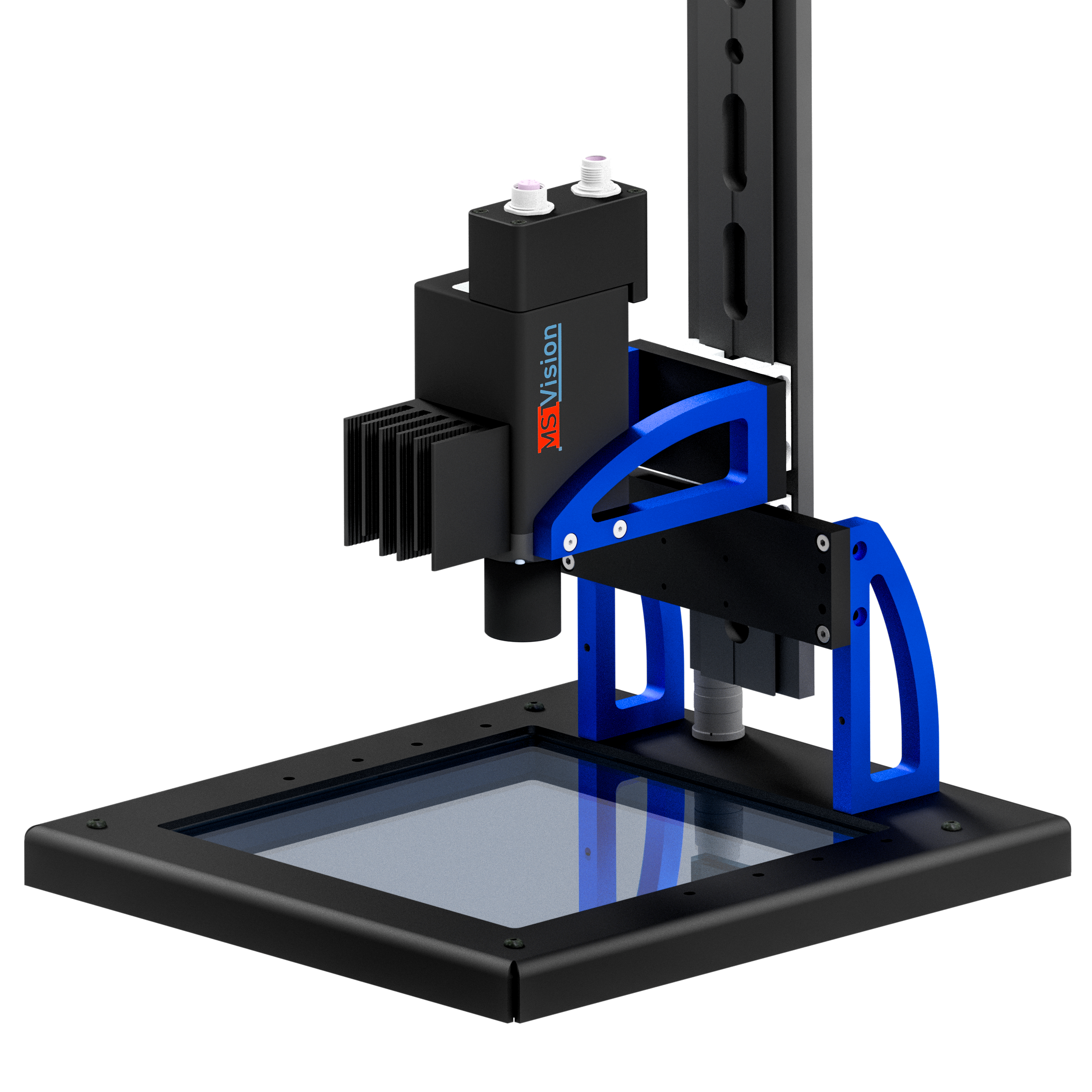
Photometric Stereo Advanced is an integrated system solution for providing four matrix camera images directly as photometric stereo output images, including a calculated height map. Efficient processing on the GPU minimizes CPU load, and the GenICam implementation allows easy access to image data without a proprietary image processing library.

Typical problems caused by the time difference between image captures are already compensated in the preprocessing stage by the MSTVision algorithm. The solution is therefore ideal for scanning challenging objects, even when they are in motion.
PS Advanced features a fast 10 GigE camera and a PS-LED ring light optimized for high speeds and short exposure times. The height can be adjusted using an easy to use rail. Depending on the GPU, up to 100 parts per second can be captured at full resolution and provided as photometric stereo image data via the GenICam interface.

The calculation of the height map from Photometric Stereo gradient images requires computationally intensive integration. Thanks to MSTVision‘s innovative optimization of algorithms for GPU architectures, photometric stereo image and height map processing is achieved with low CPU load, short cycle times and minimal latency.

In applications involving conveyor belts or turntables, objects must be captured and evaluated while in motion. High frame rates are particularly beneficial for this purpose. To ensure optimal image quality, PS Advanced can optionally capture high-resolution encoder signals. This allows it to compensate for any remaining offsets (linear or rotational) solely based on these signals, without adding any load to the CPU.

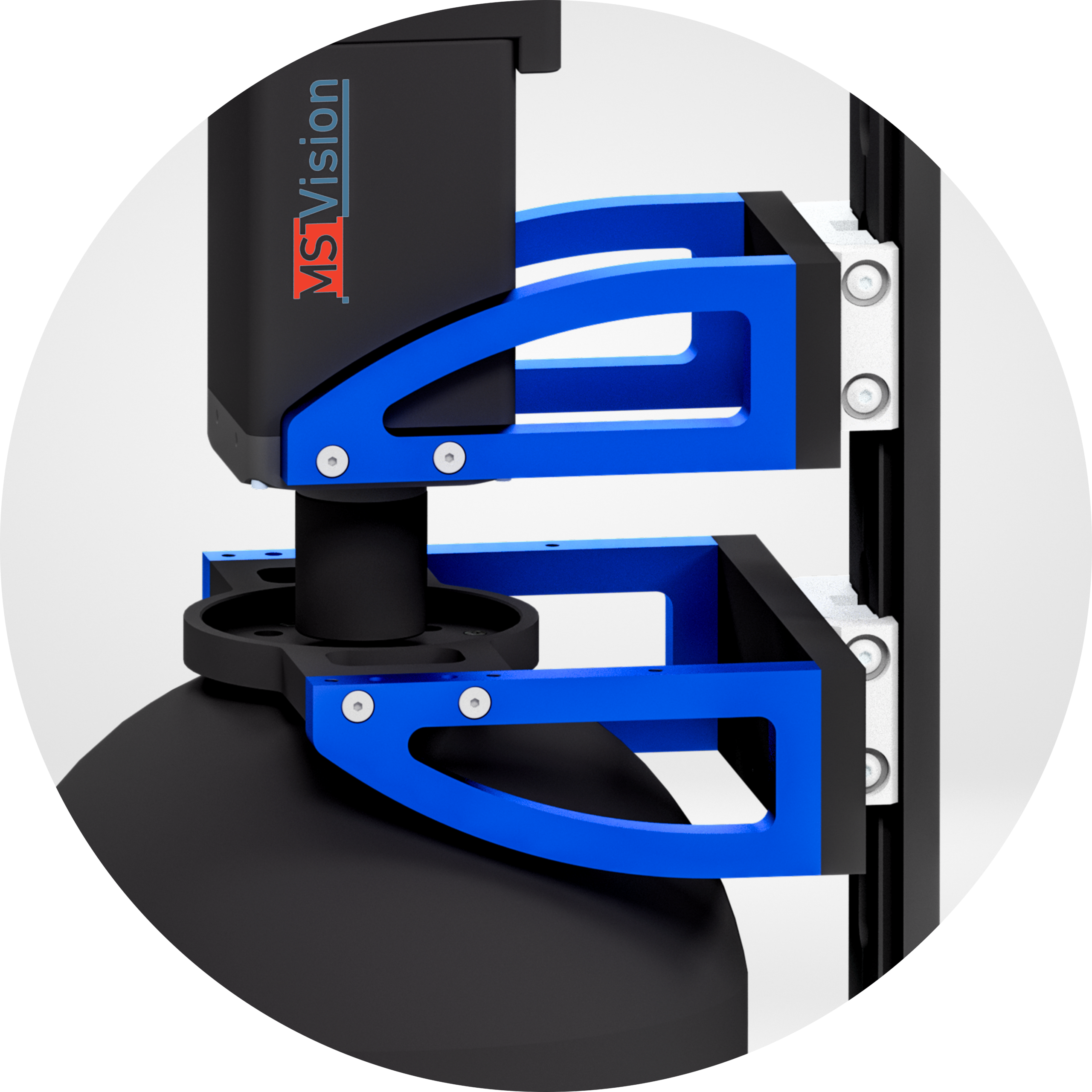
A standardized mounting concept enables easy integration into both new and existing systems.
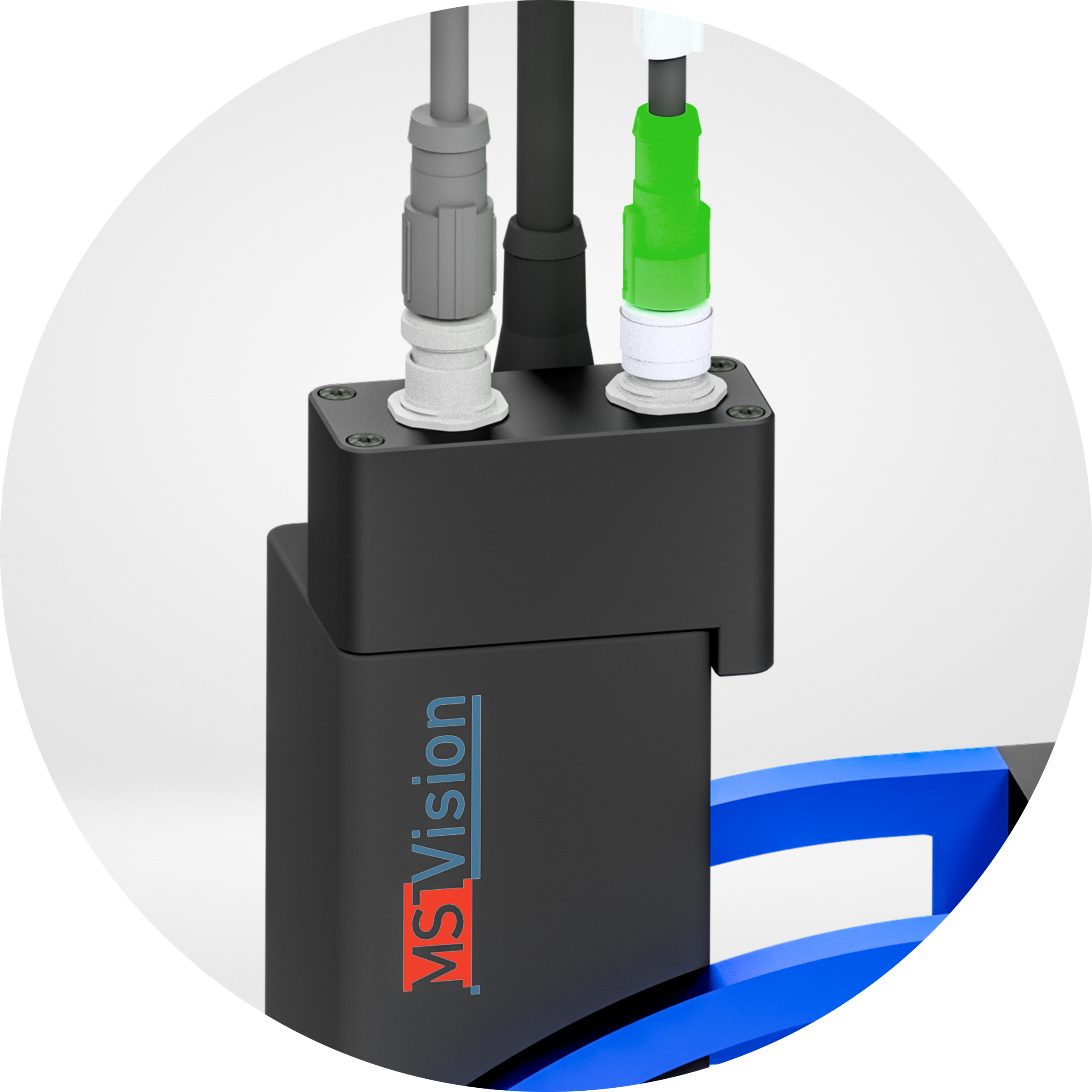
The integrated connector box keeps cabling organized and reduces the need for external wiring.
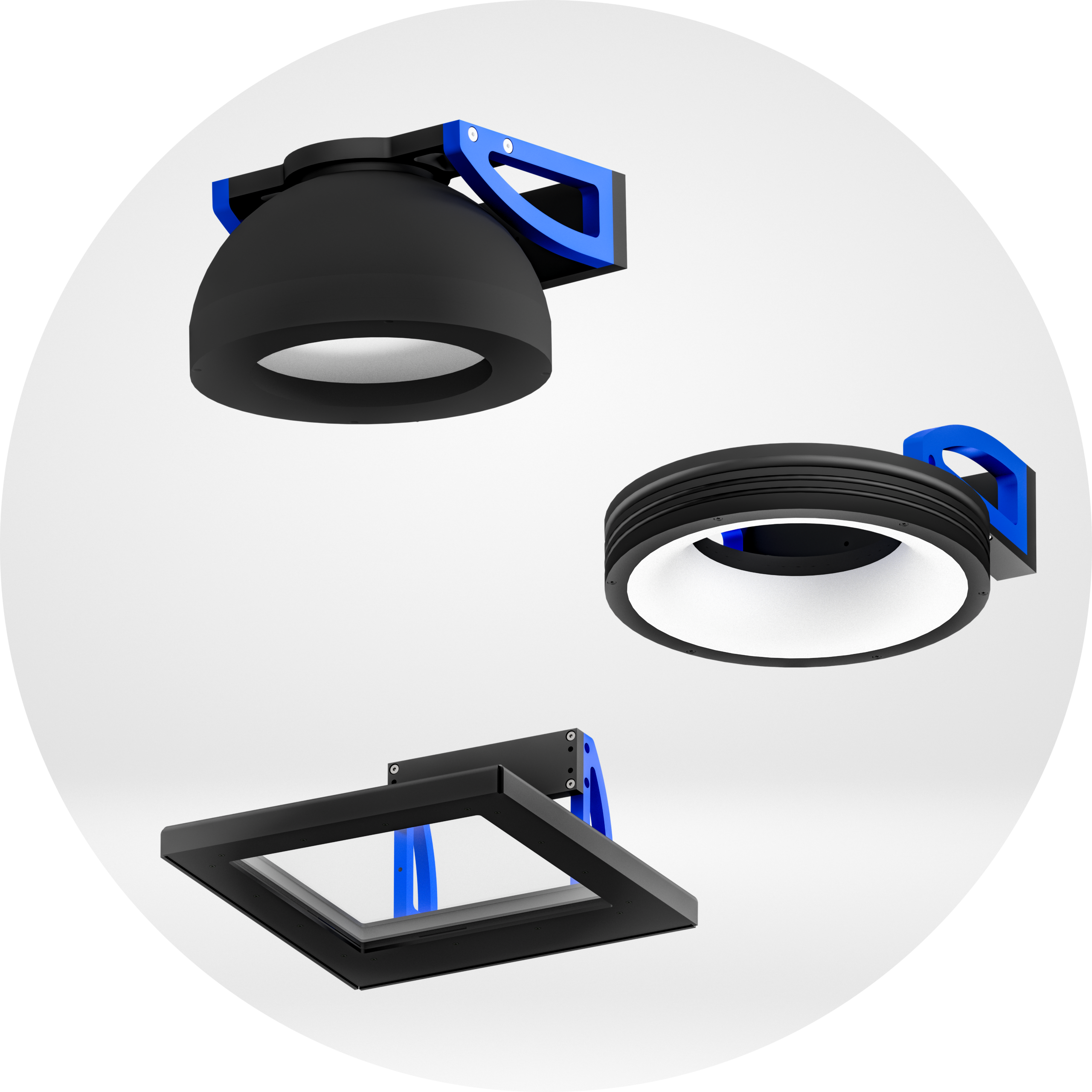
As requirements evolve, the system can be easily adapted, expanded, or upgraded.
The LED ring light of the Photometric Stereo Advanced provides high illumination intensity and enables short exposure times for high-speed industrial surface inspection. It is particularly suitable for diffuse, low-reflective materials and supports reliable detection of surface structures and defects using photometric stereo imaging. Glossy surfaces may cause unwanted reflections that affect image quality. Different available sizes allow the illumination to be adapted to various inspection objects and fields of view.
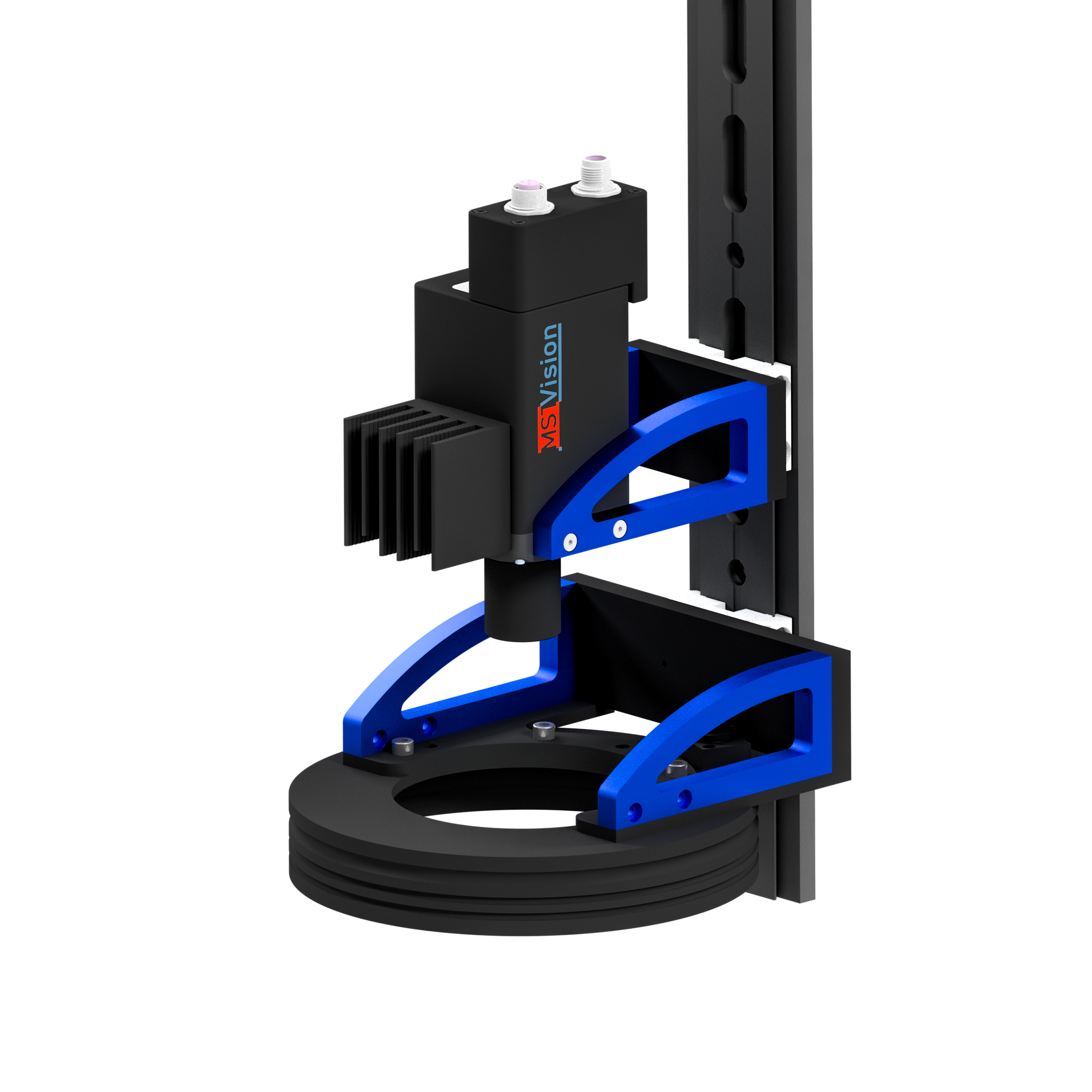
The dome light of the Photometric Stereo Advanced provides uniform, diffuse illumination while reducing unwanted reflections and shadows. It offers a versatile compromise for photometric stereo inspection of both diffuse and reflective surfaces. However, the camera opening may affect illumination uniformity, while brightness and contrast can be reduced on low-reflective materials. This makes dome illumination particularly suitable for industrial inspection tasks involving different surface characteristics.
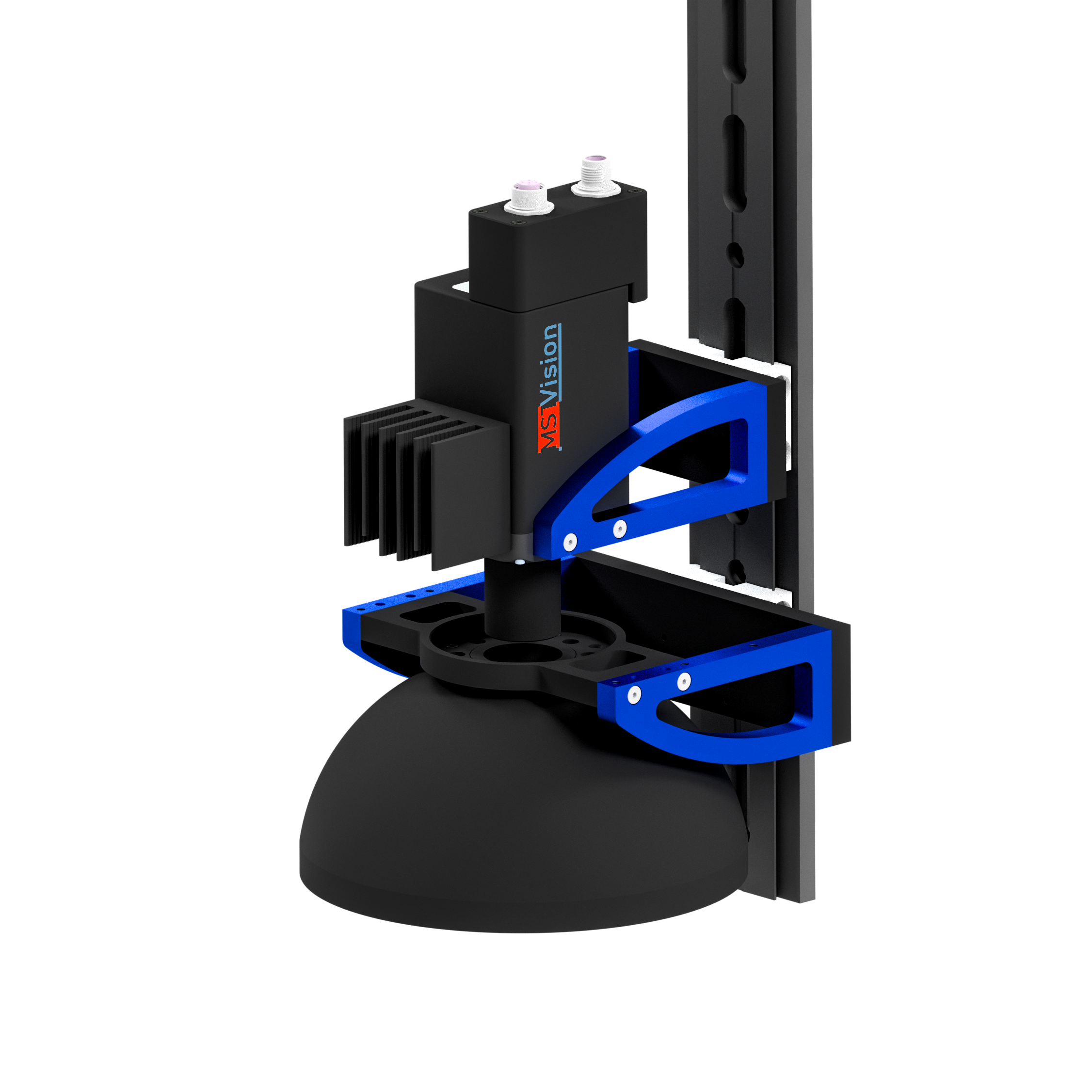
The Flat Dome light of the Photometric Stereo Advanced is specifically designed for inspecting highly reflective and glossy surfaces. Its uniform, diffuse illumination minimizes unwanted reflections and supports accurate detection of surface structures and defects. On low-reflective materials, brightness and contrast may be reduced. Additionally, Moiré effects or contamination of the illumination surface can affect image quality. This illumination option offers significant advantages for demanding inspection applications involving reflective materials.